Physical Address
304 North Cardinal St.
Dorchester Center, MA 02124
Physical Address
304 North Cardinal St.
Dorchester Center, MA 02124

 |
|
| Rating: 4.9 | Downloads: 1,000,000+ |
| Category: Music & Audio | Offer by: LikeTones |
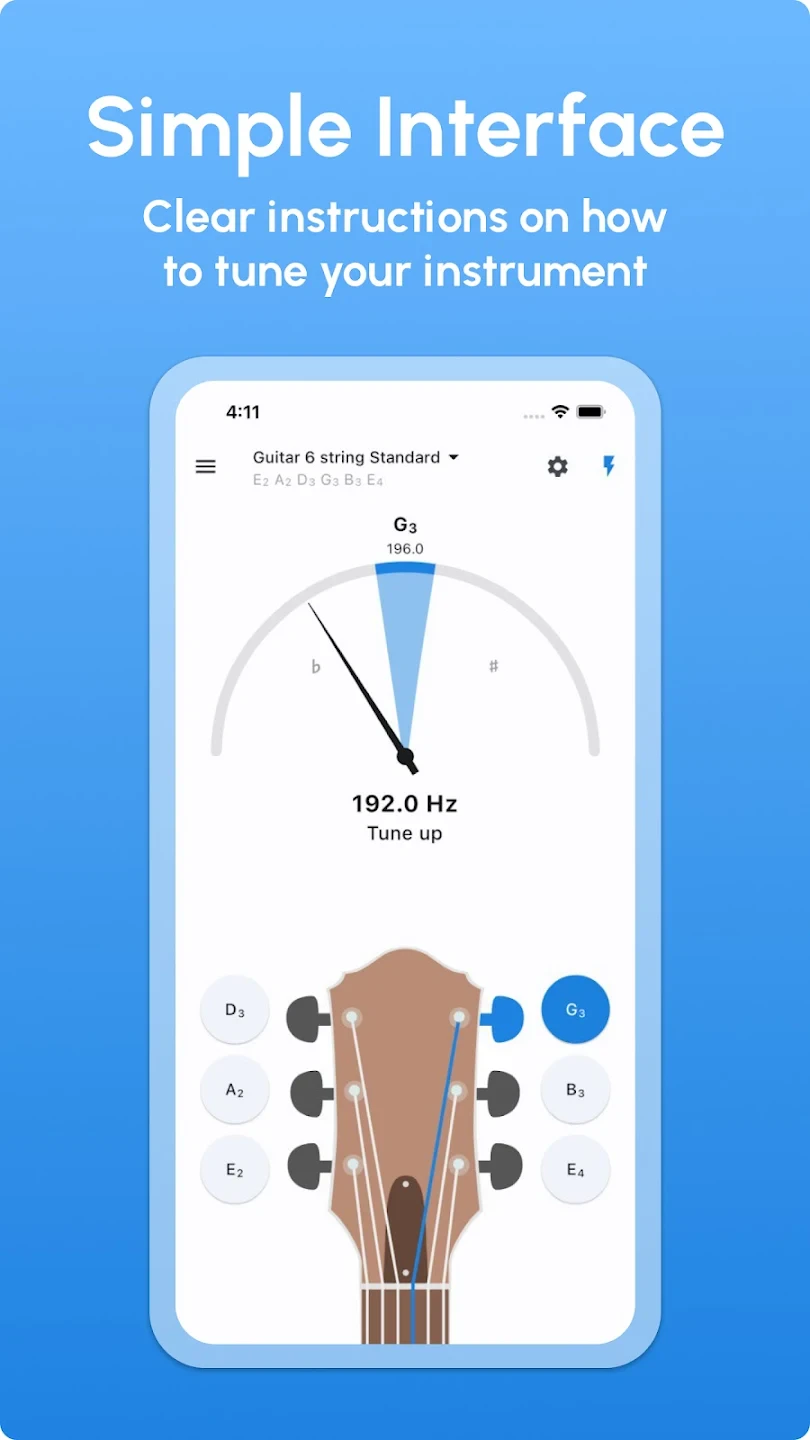
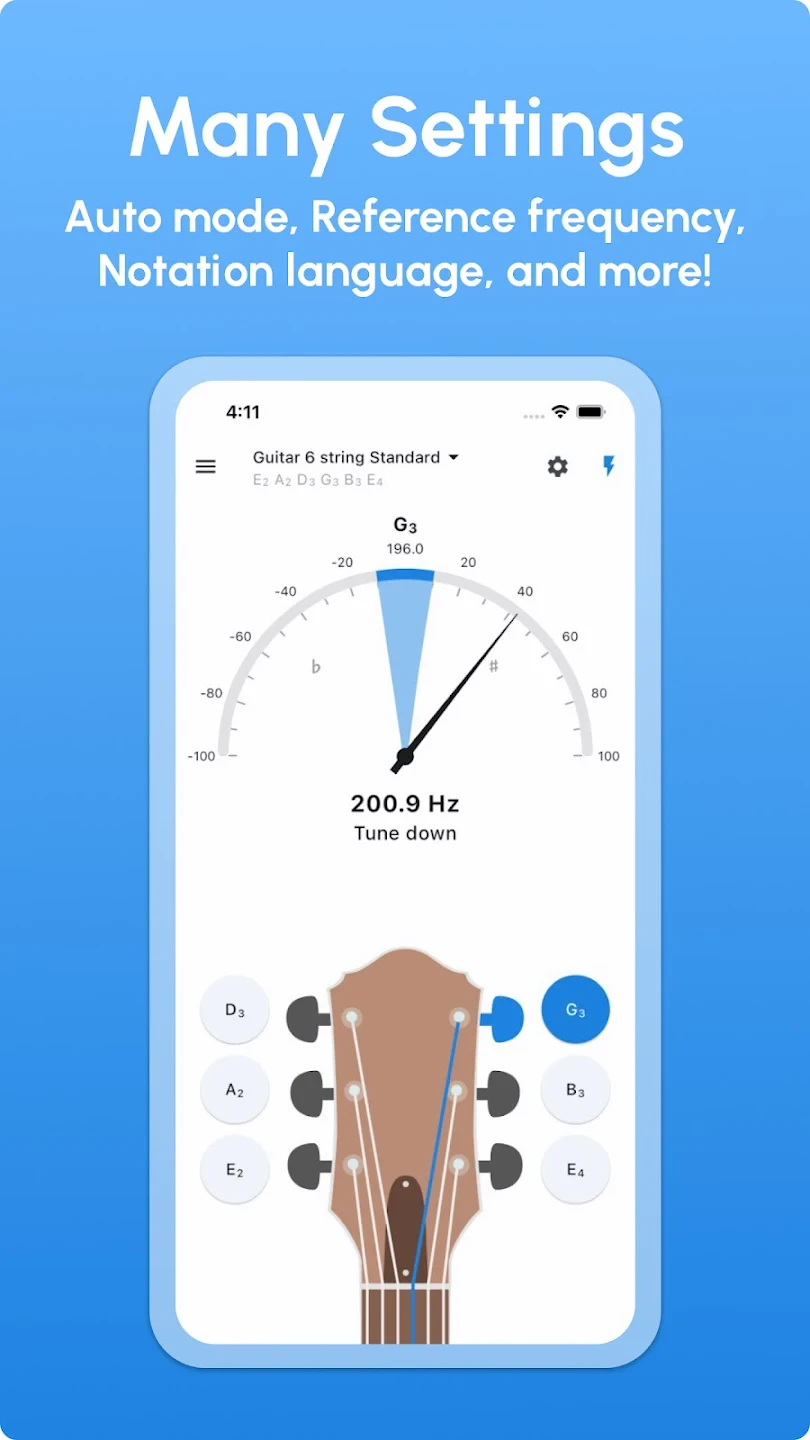
Guitar Tuner – LikeTones is the essential application for guitarists, providing accurate and user-friendly tuning solutions directly from your mobile device. It offers precise electronic tuning by listening to the sound produced by your guitar or using an internal reference note, catering perfectly for beginners seeking guidance and experienced players needing quick adjustments before performances or recordings.
The appeal of Guitar Tuner – LikeTones lies in its portability and immediate usability; you no longer need bulky hardware, saving time and space. Its practical usage spans from meticulous practice sessions to quick tuning between songs during live gigs, ensuring your instrument always sounds its best, boosting confidence and playing quality for musicians on the go.
| App Name | Highlights |
|---|---|
| GuitarTuner Pro |
This app offers precision tuning algorithms and features like tap-tempo controls for delay-based reference or saving custom tunings. It focuses heavily on accuracy and includes advanced visualization options. |
| Ultimate Guitar Tuner |
Designed for tuners with more comprehensive needs, this app provides multiple tuning methods, metronome, tuner, and chromatic scale views. It boasts high customization potential and supports various instrument tunings. |
| Ultimate Guitar Tuner |
Offers sophisticated tuning modes, including drum tuner, metronome, and extensive chord presets. This app targets users looking for a multi-functional music tool with powerful editing capabilities. |
| QuickChord |
Focused on mobile-first usability, this tuner includes guided tuning steps, quick presets, and a clean interface optimized for touch. It emphasizes simplicity and speed for everyday tuning tasks. |
| Music Notes: Guitar Tuner & Lessons |
While offering tuning alongside lessons, its tuner section provides visual and audio feedback and integrates notation concepts. Useful for combining tuning with educational content and music reading fundamentals. |
Q: How accurate is Guitar Tuner – LikeTones?
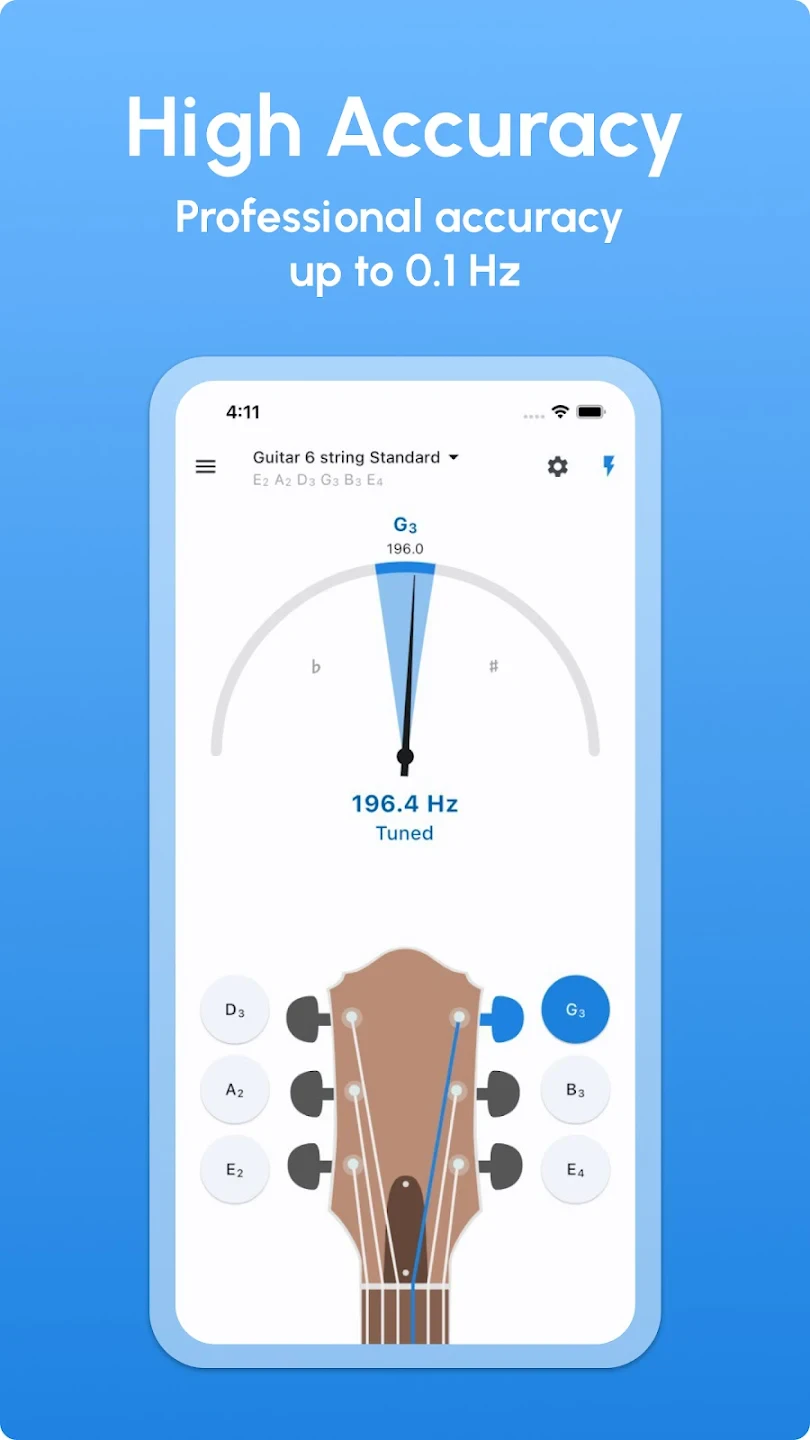
A: Guitar Tuner – LikeTones uses electronic signal processing to measure frequency accurately and generally provides tuning that is very precise, comparable to many hardware tuners. Accuracy depends slightly on factors like the quality of your microphone (for audio input) or the environment (for reference note), but it offers reliable tuning for most practical purposes.
Q: Can I use Guitar Tuner – LikeTones on multiple devices?
A: Absolutely! The app is designed for mobile devices (both iOS and Android). You might need to log in with the relevant store account (Apple App Store or Google Play Store) to access your copy on another device, but you can install and use the tuner on multiple phones, tablets, or even smartwatches if available, as long as they have the app.
Q: What if my guitar isn’t plugged in? Can I still use the tuner?
A: Yes, definitely! Guitar Tuner – LikeTones works by capturing the audio directly from your guitar (usually via your device’s microphone input or headphone jack). As long as you can play your guitar and the app hears the sound, it can analyze and tune it. This is the standard way to use a phone or tablet tuner.
Q: Does the app play a specific reference note if I choose the ‘Reference Note’ mode?
A: Yes, when you select ‘Reference Note’ mode and choose a string (e.g., the fifth string ‘A’), the app will play the correct frequency (440 Hz for A=440) through your device’s speaker via headphones or at a low volume through the device’s speakers. You then tune your guitar string to match that specific pitch.
Q: Is there any difference between using the ‘Tone’ and ‘Reference Note’ features?
A: Yes, the primary difference is in the approach. The ‘Tone’ feature listens to *your* guitar playing, analyzing the sound directly. ‘Reference Note’ generates a precise frequency tone for you to match with your instrument. Both methods can be accurate, but the ‘Tone’ method requires you to play a note, while ‘Reference Note’ provides an external anchor point. Choose based on preference or the situation (e.g., ‘Reference Note’ might be quieter).
 |
 |
 |
 |
Guitar Tuner – LikeTones App Download |
|
|---|---|
 |
 |