Physical Address
304 North Cardinal St.
Dorchester Center, MA 02124
Physical Address
304 North Cardinal St.
Dorchester Center, MA 02124

 |
|
| Rating: 3.4 | Downloads: 1,000,000+ |
| Category: Educational | Offer by: Play Piknik |
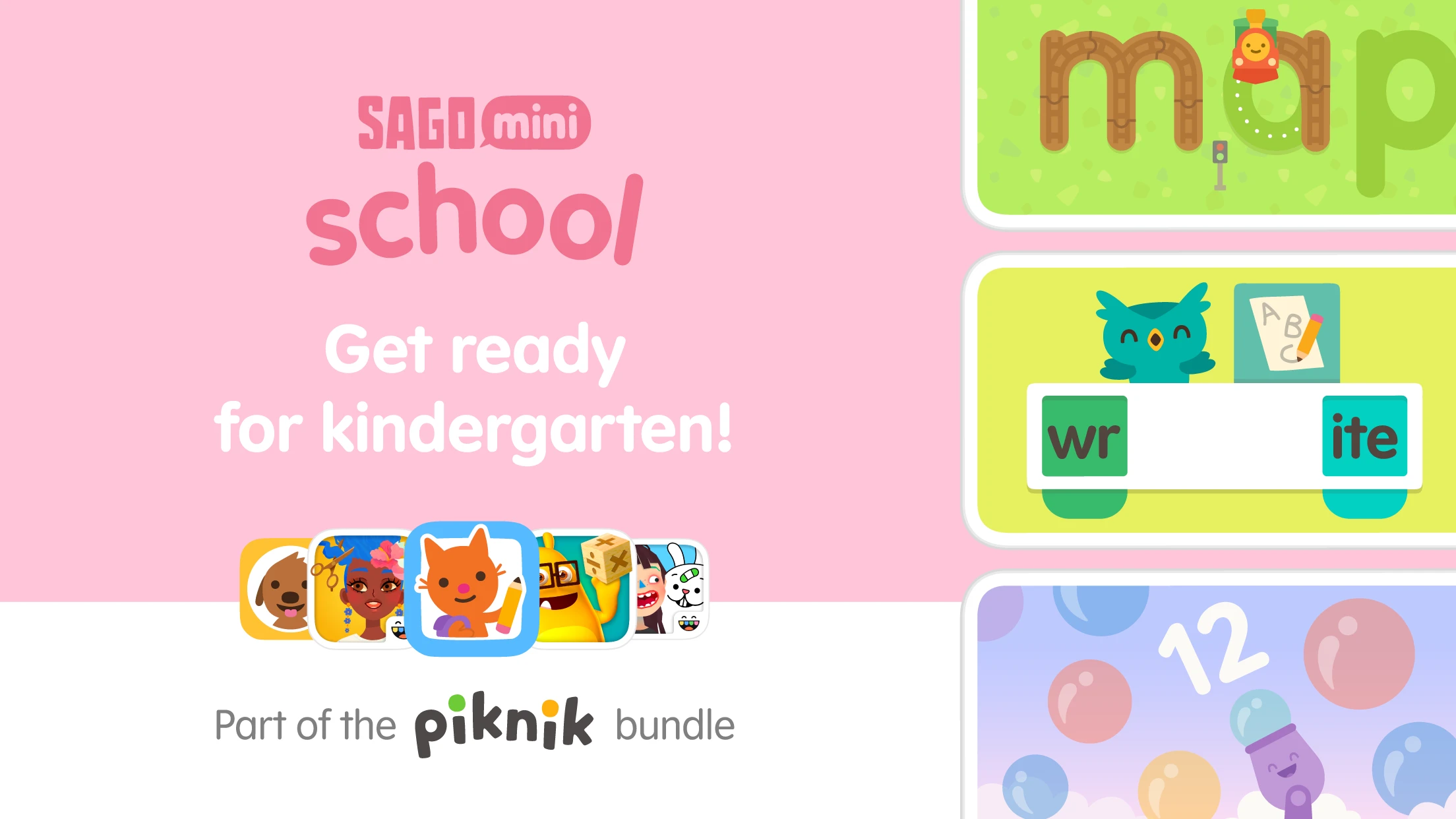
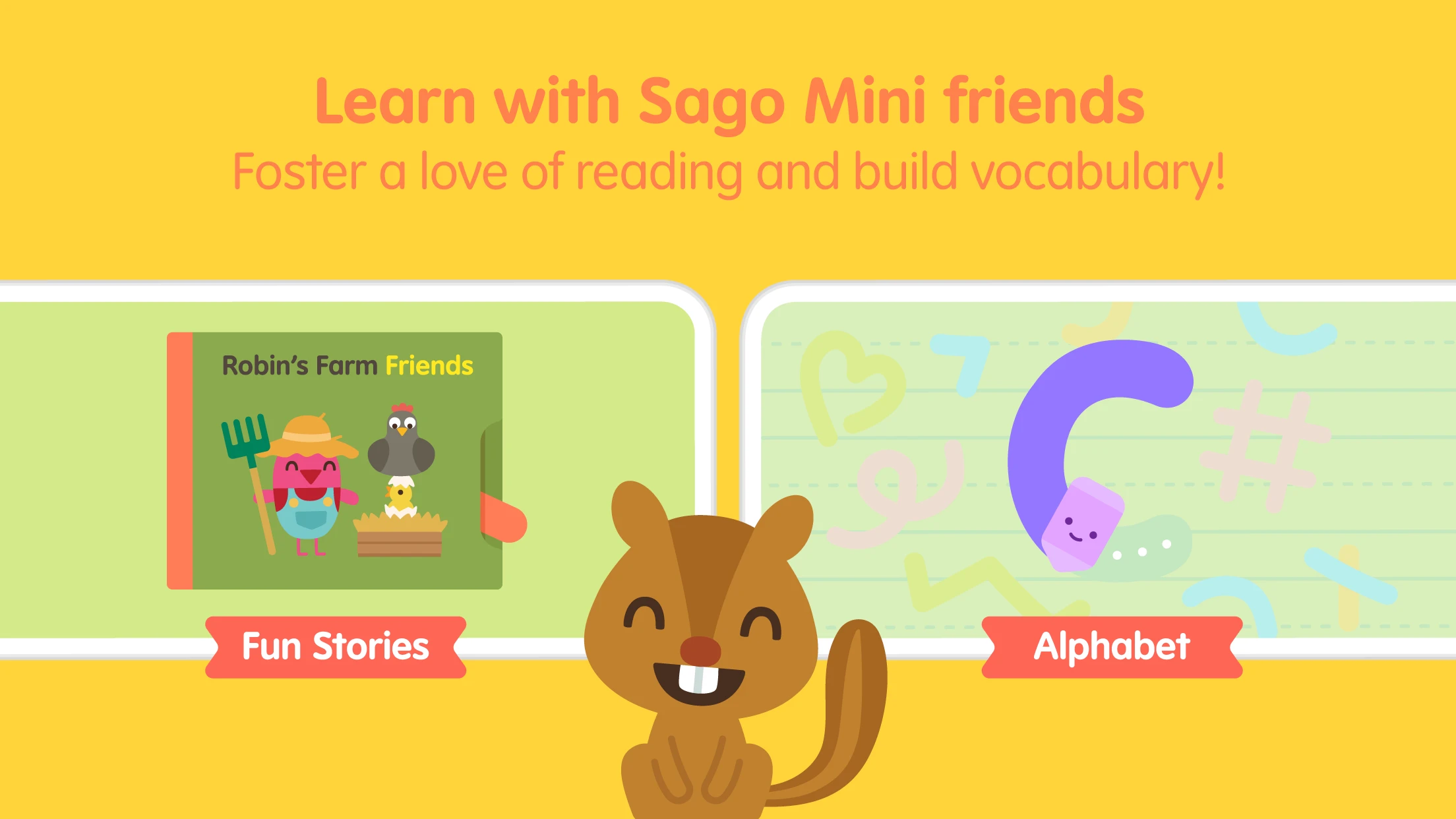
Sago Mini School (Kids 2-5) is an engaging early childhood learning app designed specifically for toddlers and preschoolers, blending fun exploration with basic educational concepts. This colorful, free-to-play mobile game falls into the category of educational/interactive learning apps, featuring simple puzzles, activities, and exploration that cater to young developing minds. What makes it interesting is its cheerful art style, soothing sounds, and variety of mini-games that encourage imaginative play and foundational skills development.
The gameplay experience is touch-based, offering colorful and intuitive interactions that toddlers can easily master. Sago Mini School (Kids 2-5) appeals strongly to parents seeking gentle screen time for their children through its focus on creative expression, problem-solving in simple forms, and exploratory play within a whimsical school setting. The appeal lies in its playful approach to learning letters, numbers, and problem-solving without overwhelming pressure.
| Game Title | Why It’s Similar |
|---|---|
| Sago Mini World |
Shares a similar early childhood education genre. Known for its fast-paced action |
| Peekaboo Barn |
Appeals to the same age range. Offers unique levels |
| DragonShape |
Popular among fans of “Sago Mini School (Kids 2-5)”. Has comparable gameplay |
Q: Is Sago Mini School (Kids 2-5) appropriate for my 2-year-old?
A: Yes, absolutely! Sago Mini School (Kids 2-5) is explicitly designed for toddlers and preschoolers (typically 2 to 5 years old). The content includes:
Simple, repetitive actions (swipe, tap, drag)
Highly colorful visuals with no text-heavy screens
Short attention spans accommodated by minimalistic game loops
Soothing sounds and minimal music
However, continuous screen time (even with age-appropriate content) should still be monitored by parents.
Q: Can the activities in Sago Mini School (Kids 2-5) be customized or adjusted for different developmental stages?
A: Generally, no explicit settings to adjust difficulty levels. The game is designed so that the same repetitive mechanics work for toddlers learning basic motor skills and simple concepts, and for slightly older kids exploring finer motor control and cause-and-effect understanding. The appeal relies on the simplicity of actions and the variety of joyful scenes keeping children engaged regardless of their exact age or skill level within the target range.
Q: How do I purchase additional characters or items in Sago Mini School (Kids 2-5)? Is it difficult to unlock the wardrobe?
A: The in-app shop (typically accessed via a wardrobe button, or sometimes an icon like a piggy bank) is available, but there’s rarely any tedious progression required to unlock it. Sometimes access comes upon initial launch, and other times might require a one-time parent purchase. To add specific characters/items, you’ll need to use specific currency like coins (often earned normally) or gems (bought with real money). Always check the current game version’s specifics as shop designs might change.
Q: Does my child need an internet connection to play Sago Mini School (Kids 2-5)?
A: While the app works fine without an internet connection (you can play the core activities offline), many newer versions require an internet connection for features like:
Downloading additional content packs or specific characters
Syncing save data across multiple devices
Loading online leaderboards (though less common in this age-appropriate game)
Always check the specific game version details or settings menu to see which features require connectivity.
Q: What types of skills can my child develop while playing Sago Mini School (Kids 2-5)?
A: Playing Sago Mini School (Kids 2-5) helps toddlers develop skills like:
Motor skills: Dragging, dropping, tapping, swiping
Problem-solving: Matching shapes/colors in activities
Imaginative play: Exploring different scenes and interacting whimsically
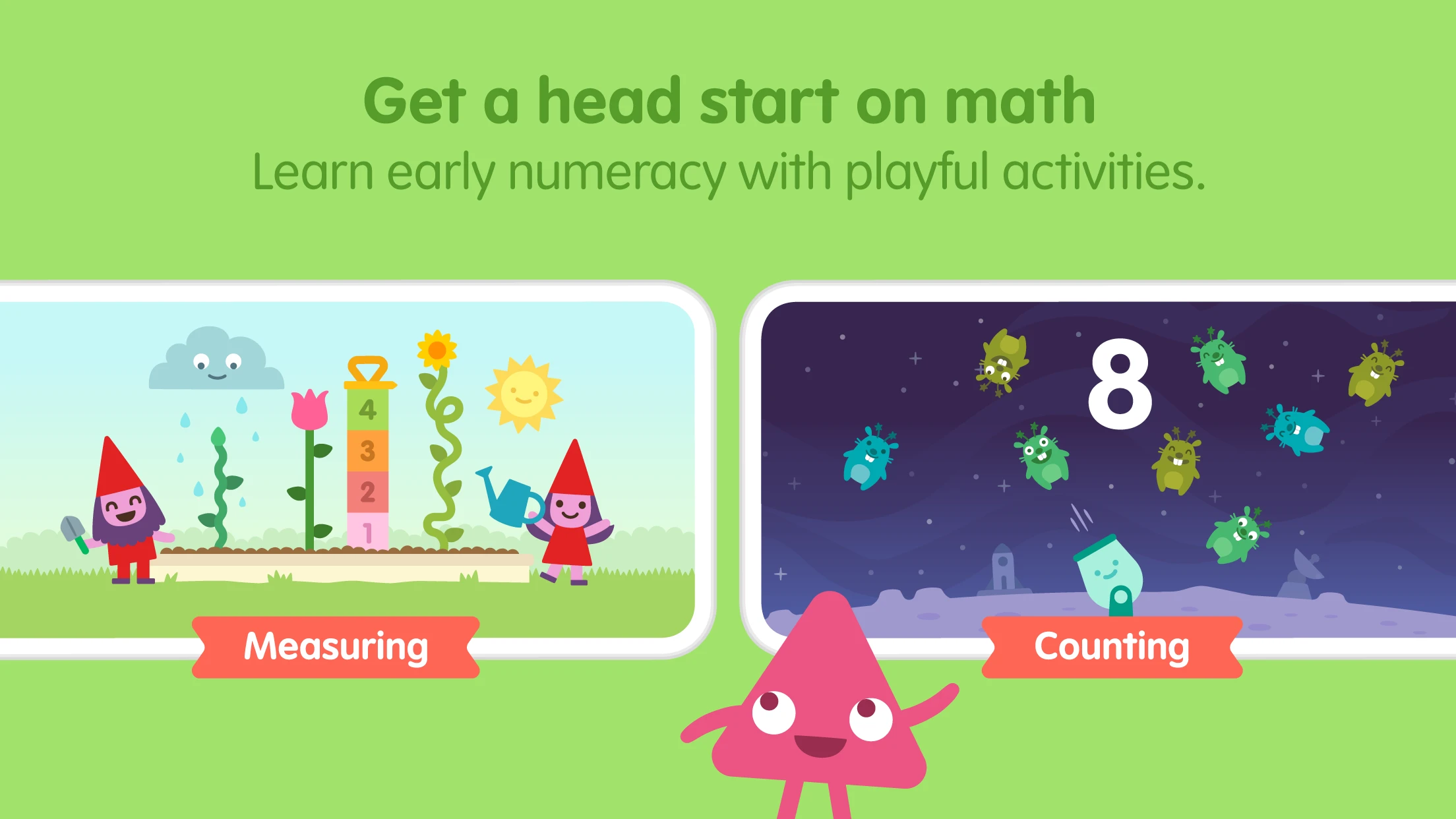
Cognitive abilities: Basic pattern recognition, counting, color recognition
Language exposure: Familiar character names, scenario-related vocabulary
 |
 |
 |
 |
Sago Mini School (Kids 2-5) App Download |
|
|---|---|
 |
 |